
The EURAN Cultural Operating System
The authored system unifying doctrine, identity, prototypes, and strategic deployment.
The EURAN Cultural Operating System (COS™) is the master framework that unifies doctrine, identity, prototypes, signatures, and industry deployment into one authored architecture. It replaces fragmented luxury with cultural intelligence, symbolic depth, and emotional precision.
COS defines how environments, infrastructures, and institutions are structured, perceived, and transformed into coherent cultural systems with strategic and economic relevance.
The COS Instruments (MSF™, ADSM™, CDCA™, CCPI™, SPVI™, CRRS™ and associated systems) constitute the operational layer of the Cultural Operating System, translating cultural doctrine into deployable frameworks, spatial coherence and applied environments.
COS™ is a universal cultural-operating architecture applicable across multiple industries and institutional environments; the maritime sector constitutes one of its strategic deployment fields.
COS™ is not structured as a catalogue of services, but as an authored system governing identity, perception, narrative coherence and cultural deployment across complex environments.
This page constitutes the 2026 system release of the Cultural Operating System — the reference architecture for all COS-based projects and collaborations.
THE CORE INSTRUMENTS OF COS™
MSF™ — CSI™ — SPVI™ — CCPI™ — Prototypes™ — ADSM™ — Signatures™ — ADDM™ — ADMM™ — ADSP™
All COS™ modules are proprietary instruments and authored structural frameworks. They are not conventional services, decorative offers or generic consulting products.
1. MSF™: Master Strategic Framework
The doctrine, architecture and operational logic behind EURAN’s cultural infrastructure.
The MSF™ is the central strategic instrument of COS™. It establishes the governing doctrine of a project before design, communication or operational decisions begin to fragment. It unifies cultural DNA, industry logic, prototypes and deployment principles into a single system of cultural authorship.

The 12 MSF Chapters
Each chapter defines a structural dimension of cultural authorship — from identity formation to operational execution. Together, they form a complete system for designing culturally intelligent environments, infrastructures and institutional narratives.

Chapter 1
The Collapse of Luxury and the Crisis of Sameness

Chapter 2
Culture as the structural element of identity

Chapter 3
Art as Generative DNA

Chapter 4
Emotional Architecture

Chapter 5
Narrative Architecture

Chapter 6
Symbolic Identity Architecture

Chapter 7
The EURAN Value Architecture
Chapter 8
The EURAN Systems

Chapter 9
Constellation Logic

Chapter 10
Cross Sector Intelligence

Chapter 11
Operational Feasibility and Implementation

Chapter 12
Value Creation and Competitive Advantage
2. CSI™ — Cultural Stability Intelligence
CSI™ diagnoses the cultural, spatial and perceptual stability of complex environments. It identifies alignment, contradictions, thresholds, fragmentation risks and resilience conditions across identity, narrative and infrastructure.

3. SPVI™ — Space Perceived Value Index
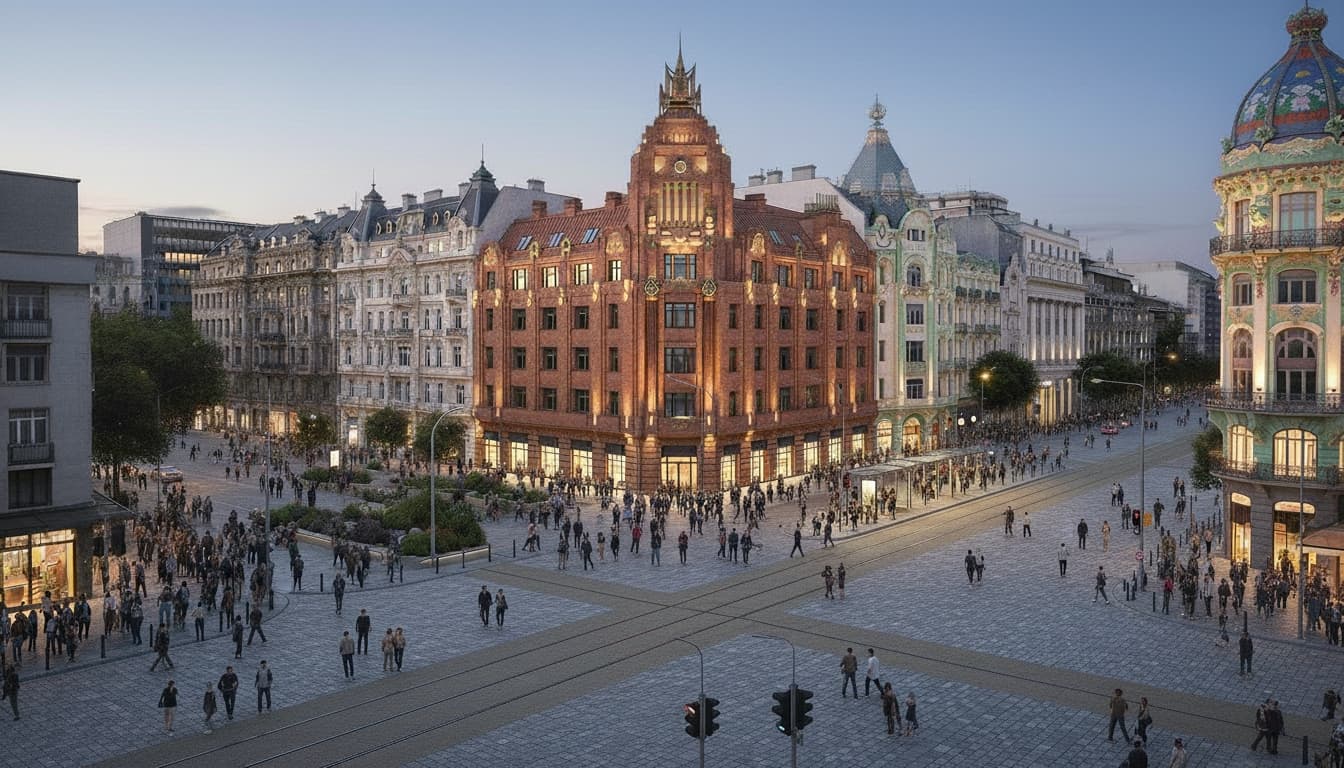
SPVI™ is the perceived-value instrument of COS™. It evaluates how environments are experienced through indicators such as engagement, circulation, dwell time, atmosphere, spatial coherence and behavioral response.
In operational terms, SPVI™ connects design intention with user perception, allowing environments to be recalibrated so that perceived value remains coherent, legible and capable of premium positioning over time.
Stability & Disruption Systems
COS™ includes a dedicated stability layer for institutions, assets and environments operating under pressure, transition, disruption or extraordinary conditions.
This layer connects CSI™ diagnostics, SPVI™ perceptual monitoring, CDCA™ stabilization, CRRS™ rapid deployment and ADMM™ media translation.
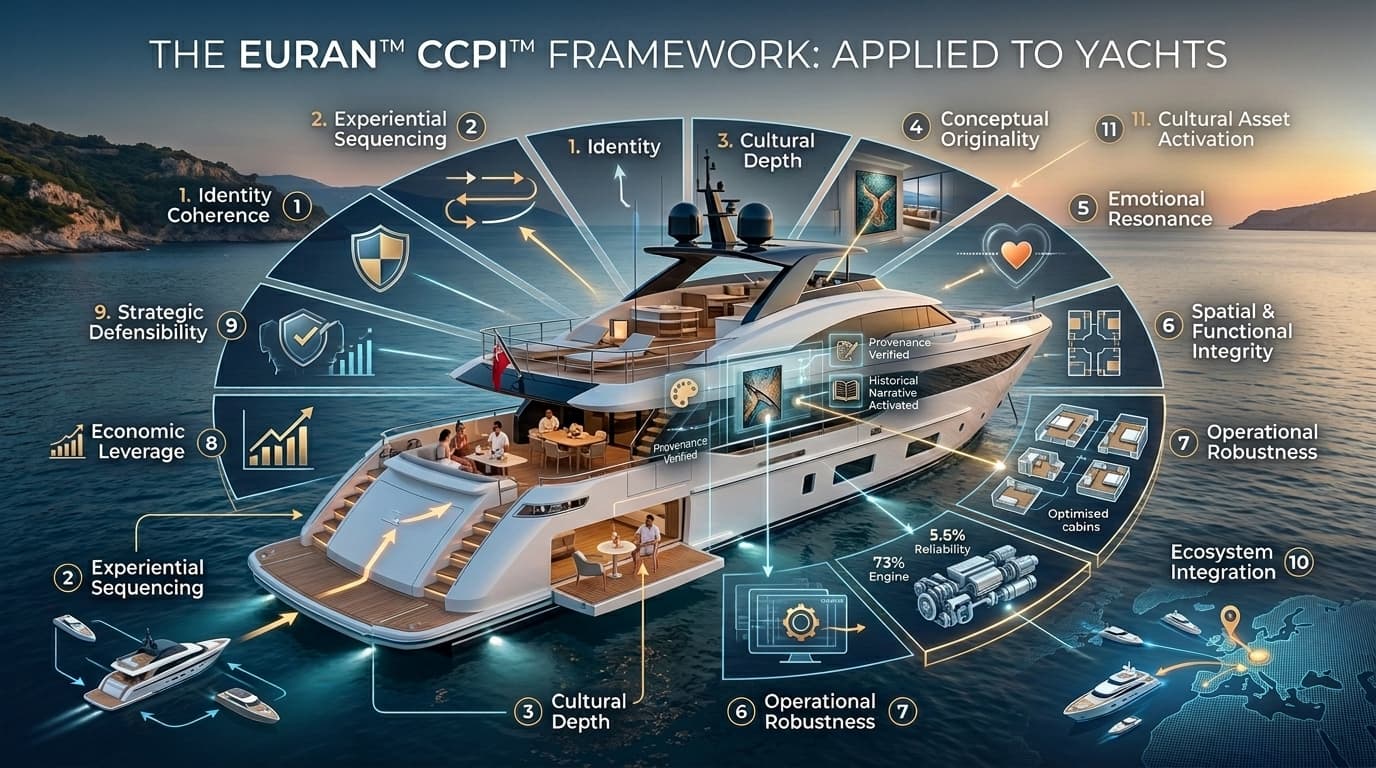
4. CCPI™ — Cultural & Creative Performance Index
CCPI™ is EURAN’s cultural-performance instrument for assessing how cultural structure, authorship and coherence contribute to economic value, pricing power and long-term resilience.
It connects identity, experience, architecture, design authorship, cultural memory and perception into performance logic — treating culture as a structured strategic variable, not as an optional embellishment.


5. Prototypes™
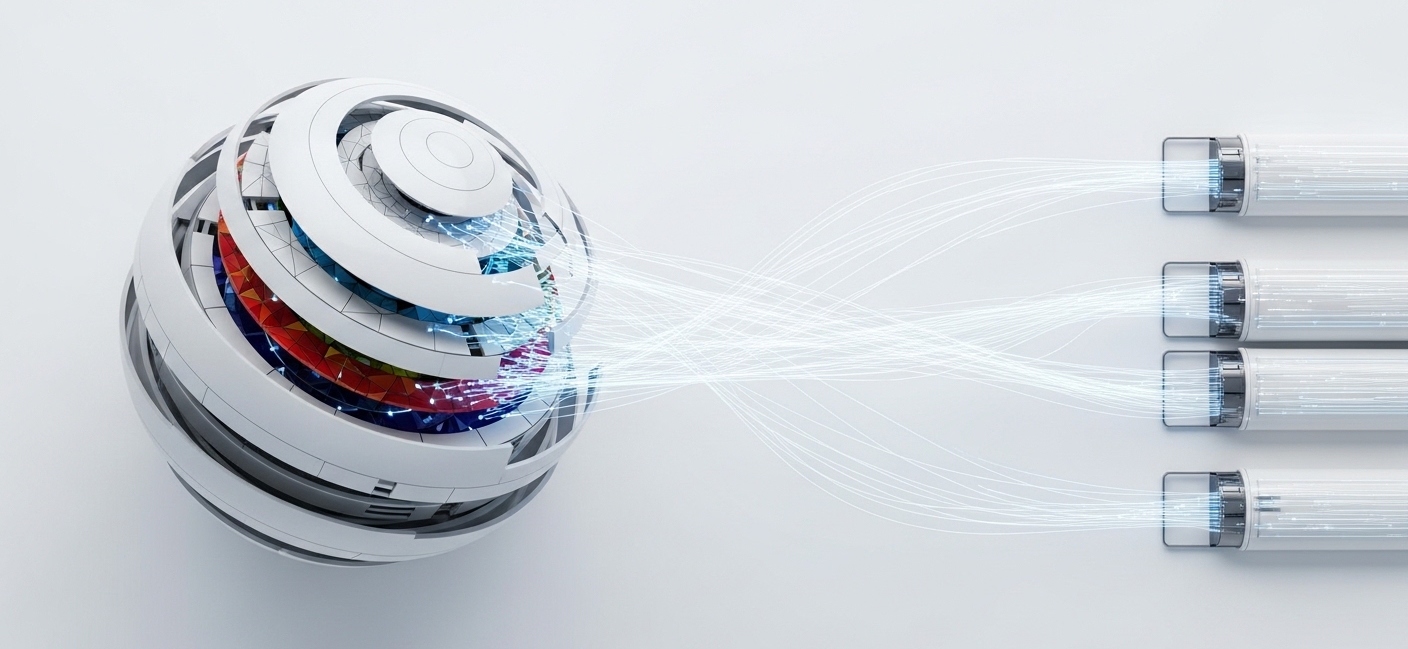
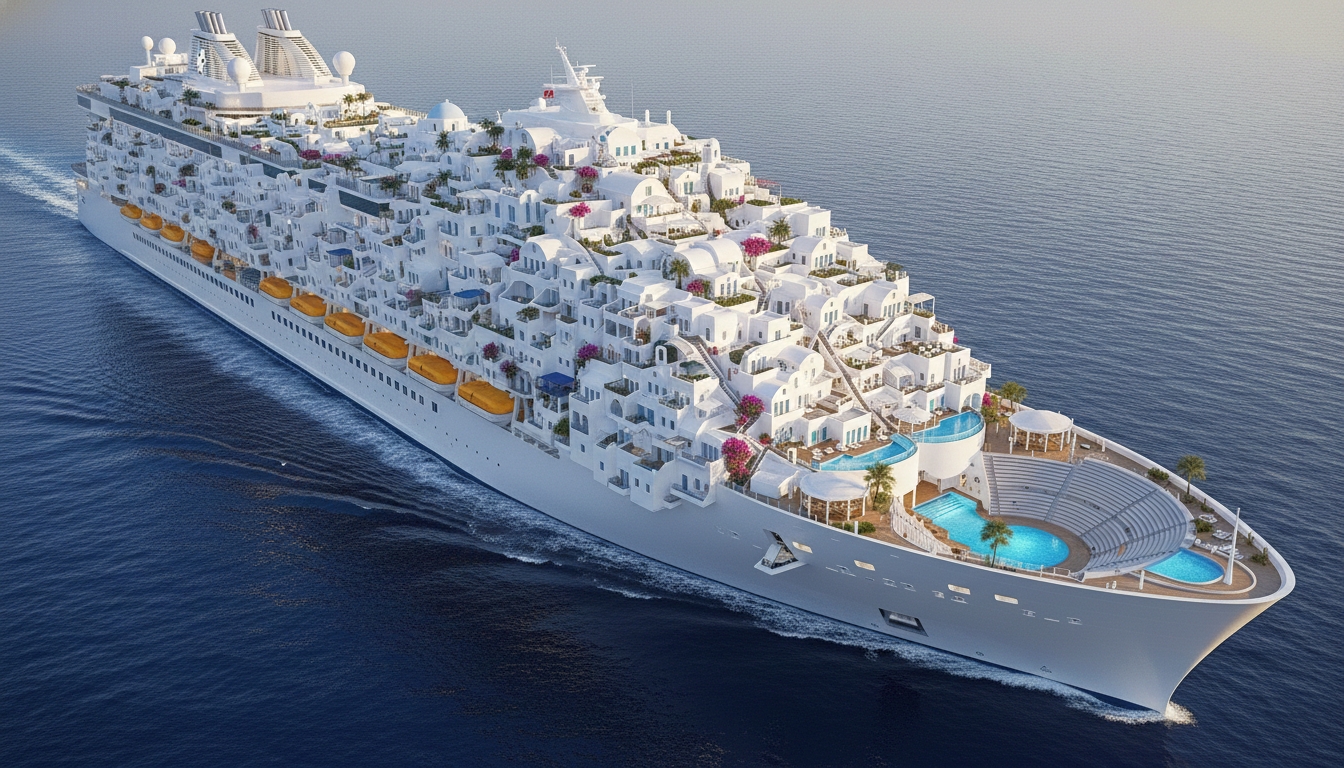
Prototypes are industry-specific structural models defining how an environment functions before aesthetic identity is applied. They establish operational logic, spatial organization, experiential sequencing and cultural-development potential.
Each Prototype is a deployable framework — not a loose idea, but a structured model that can guide implementation, partnership discussions and industrial adaptation.

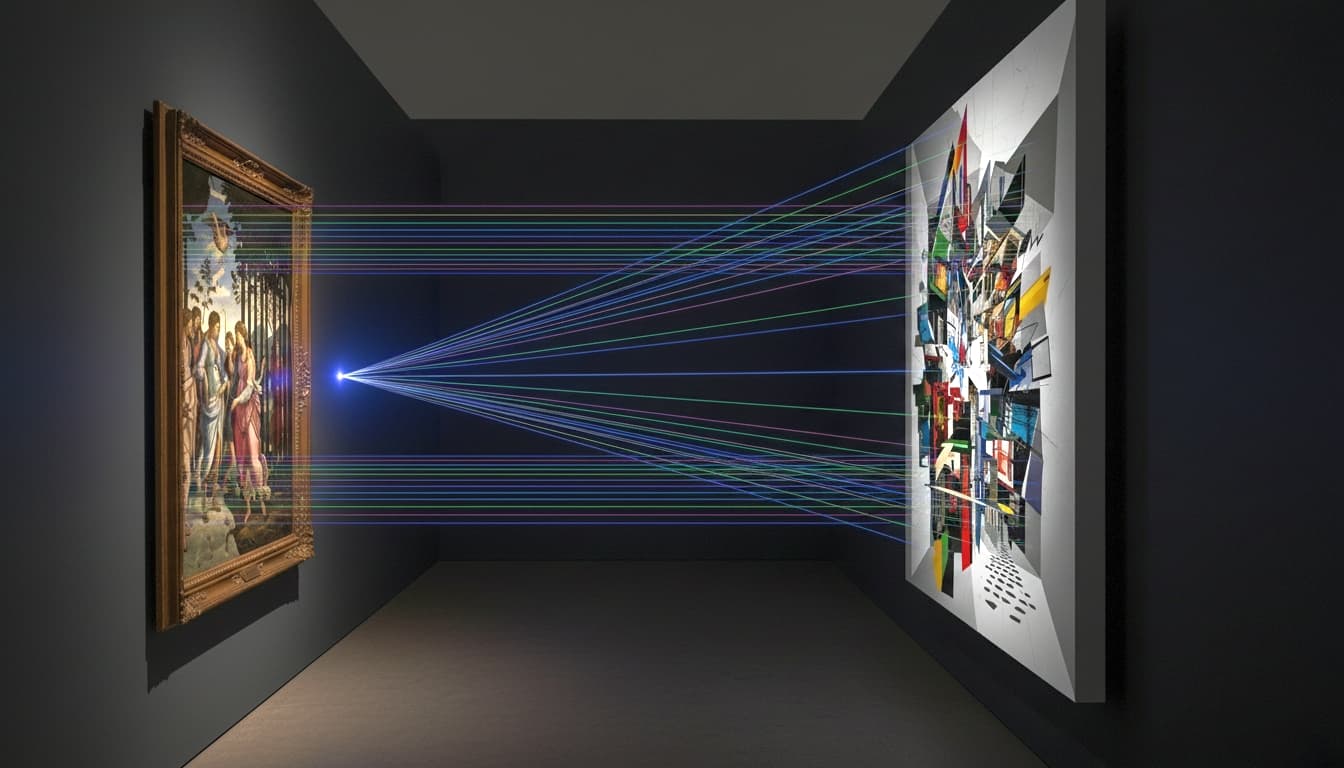
6. ADSM™ — Art-Driven Spatial Method
ADSM™ translates structural, morphological and emotional parameters from artworks and artists into spatial and architectural configurations. It operates through art-derived geometry, rhythm, tonal balance and perceptual continuity, generating authored environments without reducing art to decoration.
7. Signatures™
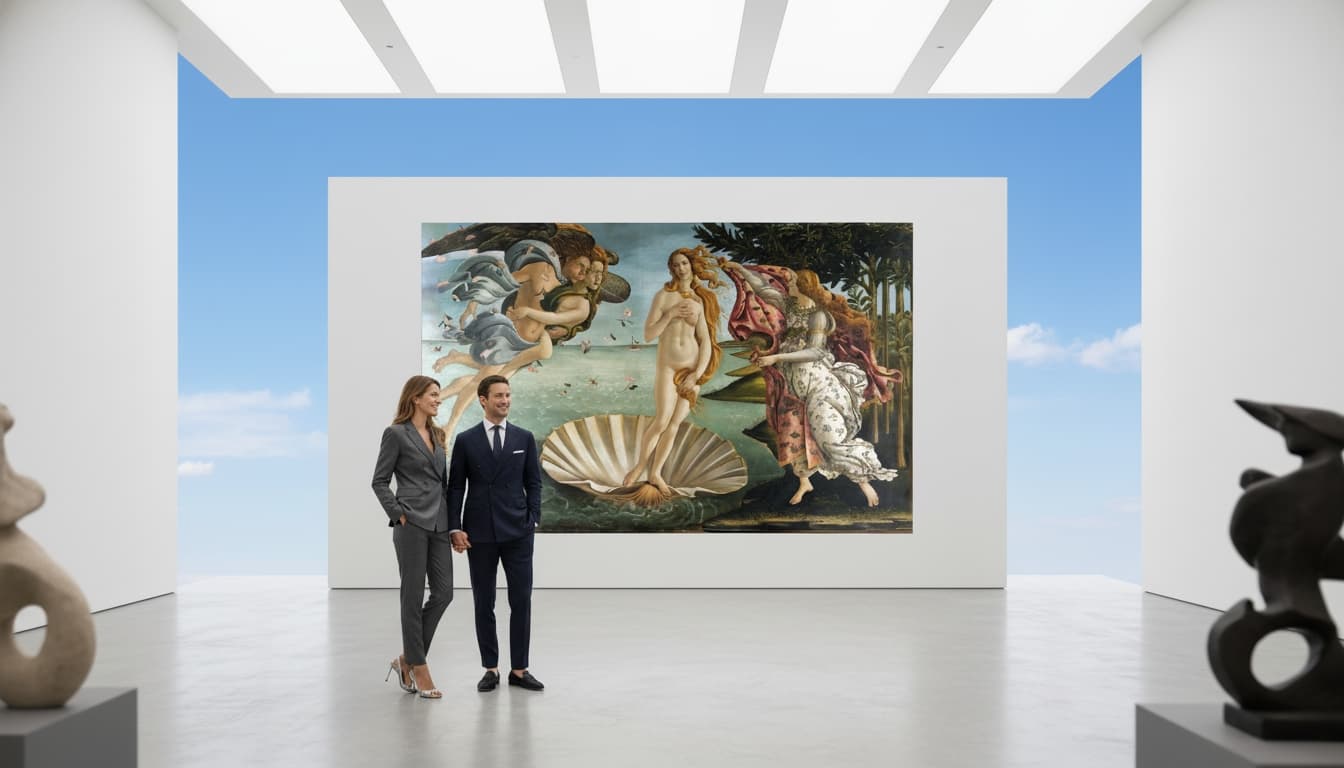
Signatures are the aesthetic and symbolic identities applied to Prototypes through the ADSM™ — Art-Driven Spatial Method. Derived from the morphological DNA of specific artworks and artists, they define atmosphere, symbolic language, visual character and emotional orientation without compromising the underlying structural logic. A Signature transforms a Prototype into a culturally authored environment.
Initial Signatures
8. ADDM™ — Art to Design
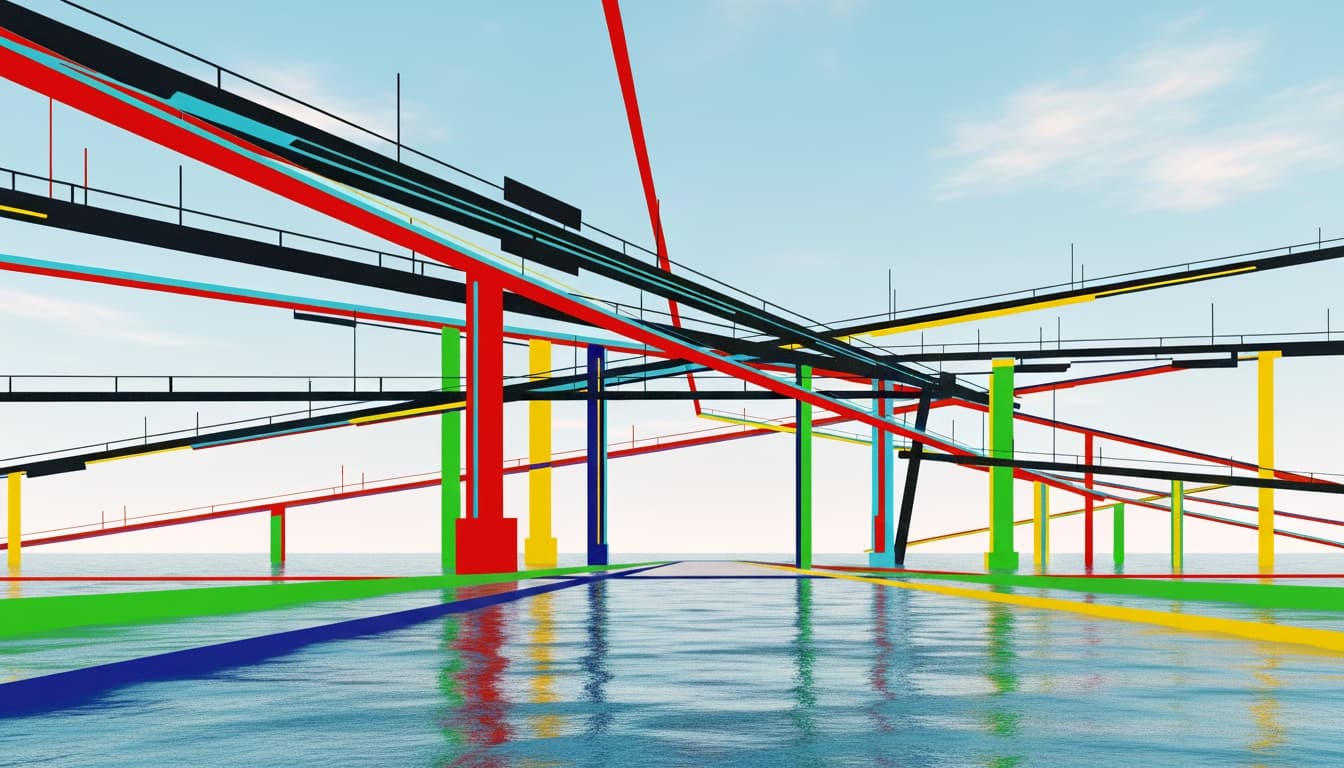
ADDM™ translates artistic logic into design logic. It is not decoration, styling or moodboarding. It extracts structural intelligence from artworks and applies it to spatial, industrial, maritime, architectural and product design.
Art contains compositional systems, spatial hierarchies, chromatic grammars, symbolic densities, material intelligence and narrative structures. ADDM™ identifies these patterns and transfers them into coherent design environments.
ADDM™ produces design direction frameworks, material and palette systems, spatial rhythm maps, object identity codes, visual discipline guidelines and cultural coherence matrices.
It is especially relevant for maritime interiors, cruise and ferry design, yacht and superyacht identity, hospitality environments, retail and cultural spaces, product and object design, and corporate design systems.
9. ADMM™ — Art-Driven Media Morphology
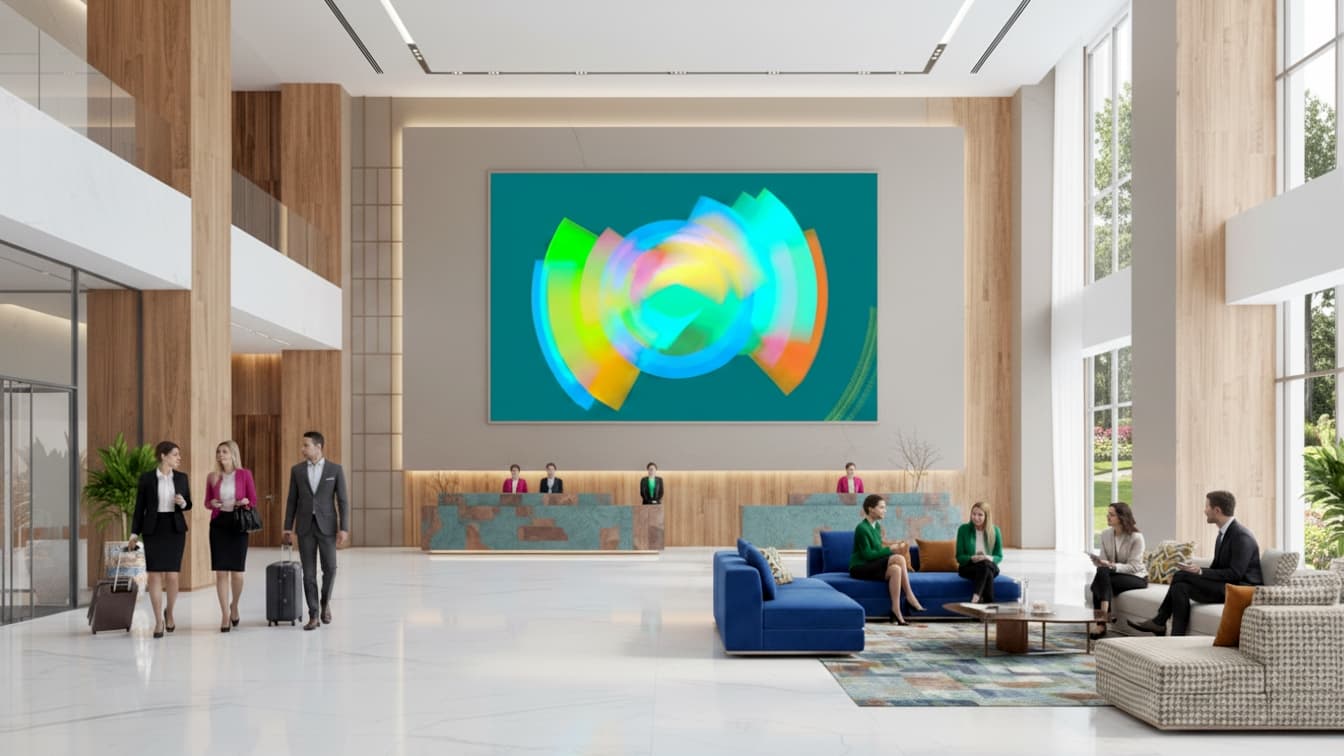
ADMM™ translates the structural DNA of an artwork into media formats: public visual statements, press visuals, digital banners, institutional communication systems and cultural-positioning materials.
Where ADSM™ applies artwork DNA to space, ADMM™ applies artwork DNA to communication.
10. ADSP™ — Art to Policy
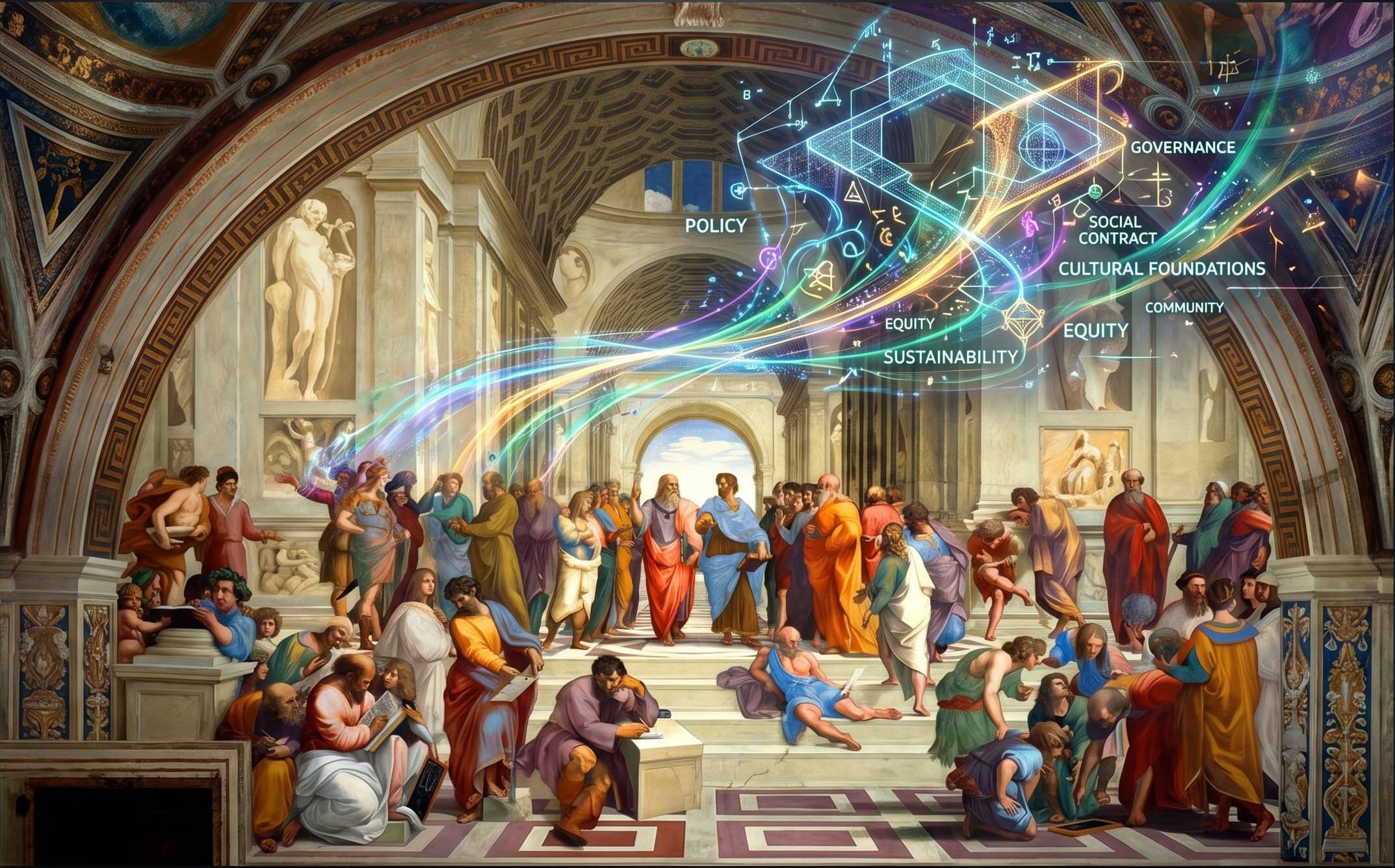
ADSP™ translates artistic logic into institutional and policy logic. It does not produce political positions. It produces institutional clarity, narrative coherence and cultural posture for companies, maritime institutions, cities, regions, governments and international organizations.
Art is structural, interpretive, symbolic and long-term. ADSP™ extracts these qualities and converts them into policy-level cultural intelligence: institutional posture frameworks, cultural-narrative policy notes, corridor and territory readings, cultural-risk interpretation and long-term coherence maps.
In the maritime field, ADSP™ supports the interpretation of vessels as cultural actors, straits as cultural corridors, seafarers as cultural ambassadors and maritime institutions as bearers of dignity, memory and continuity.
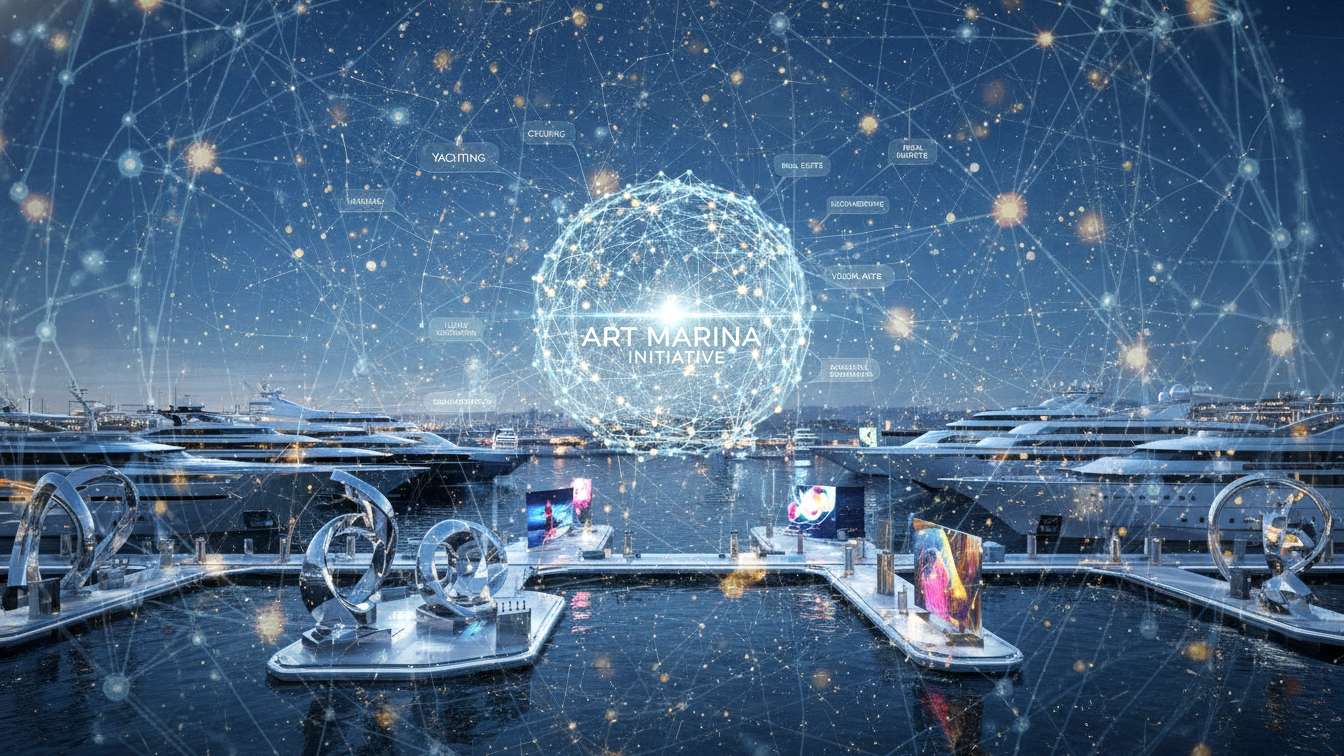
11. Industry Strategic Networks
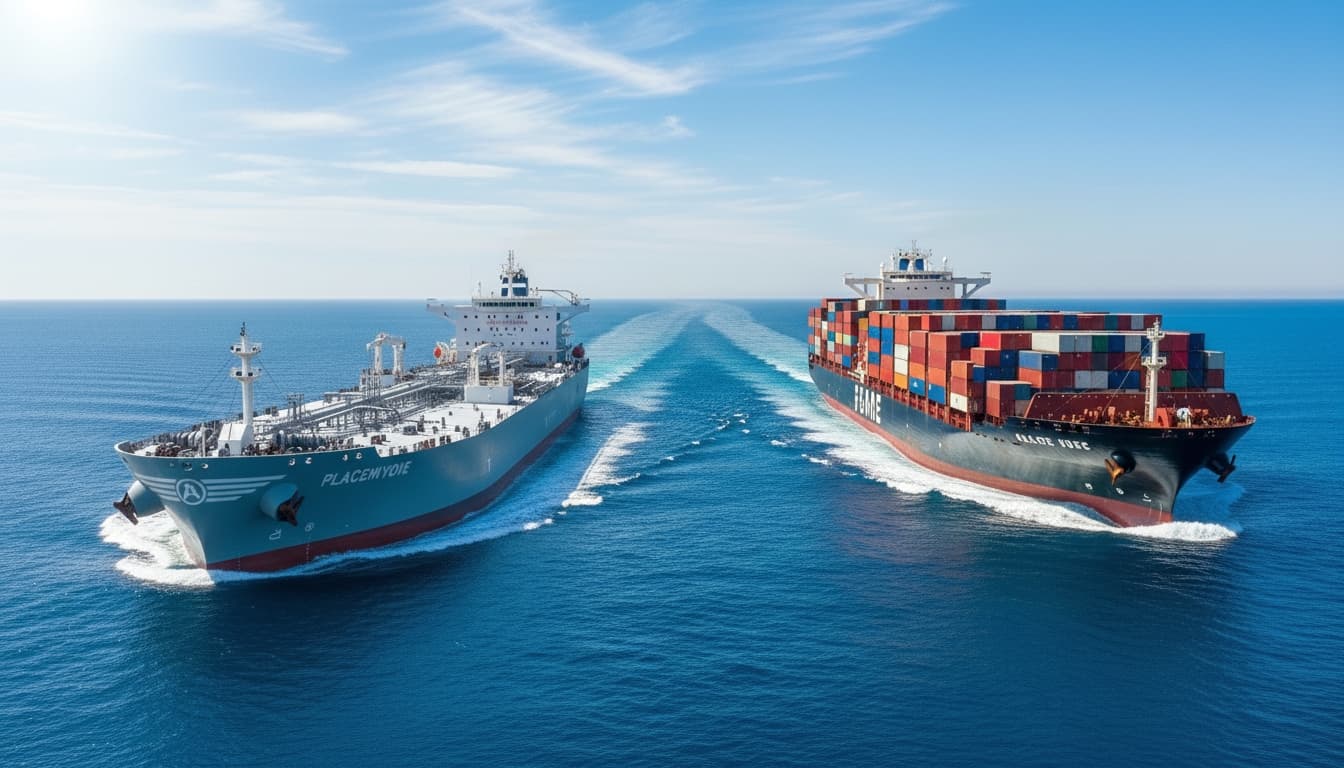
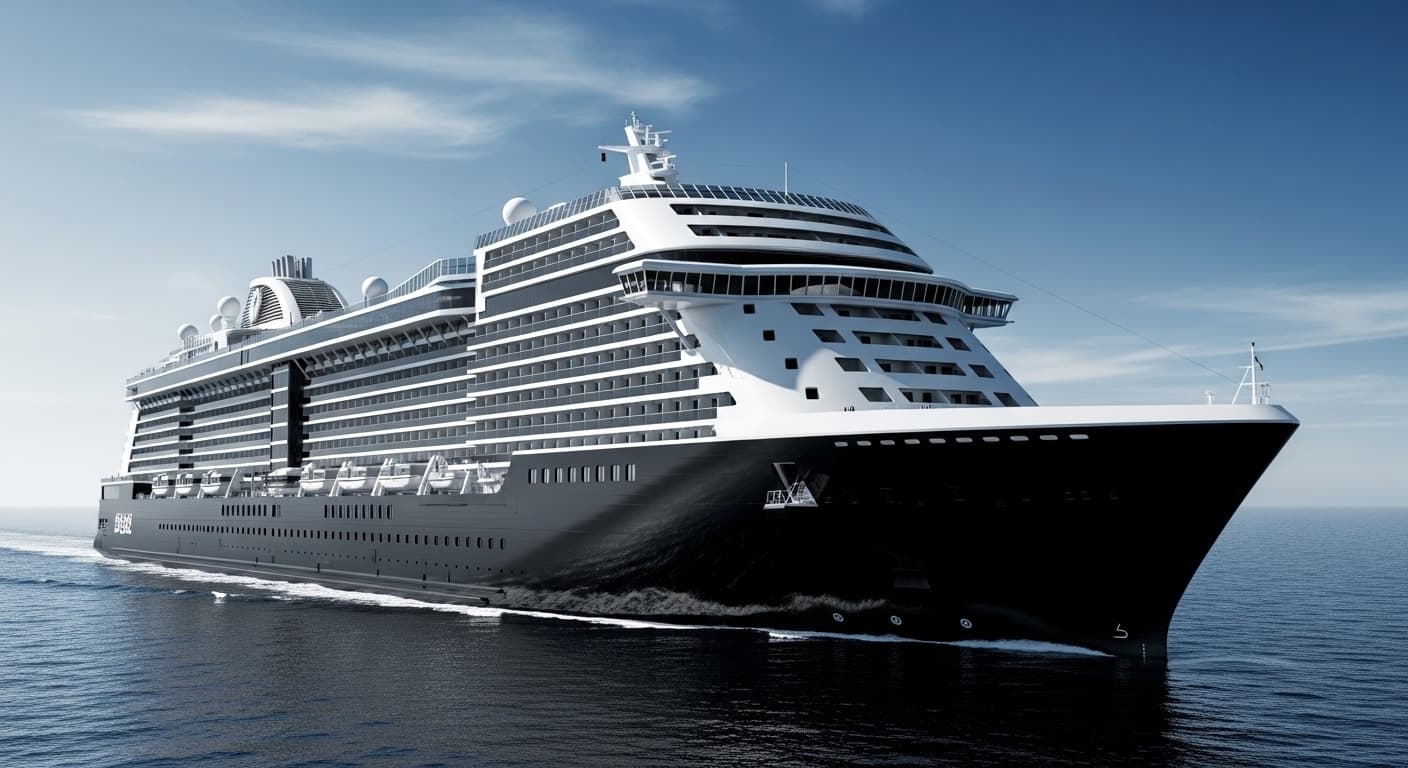
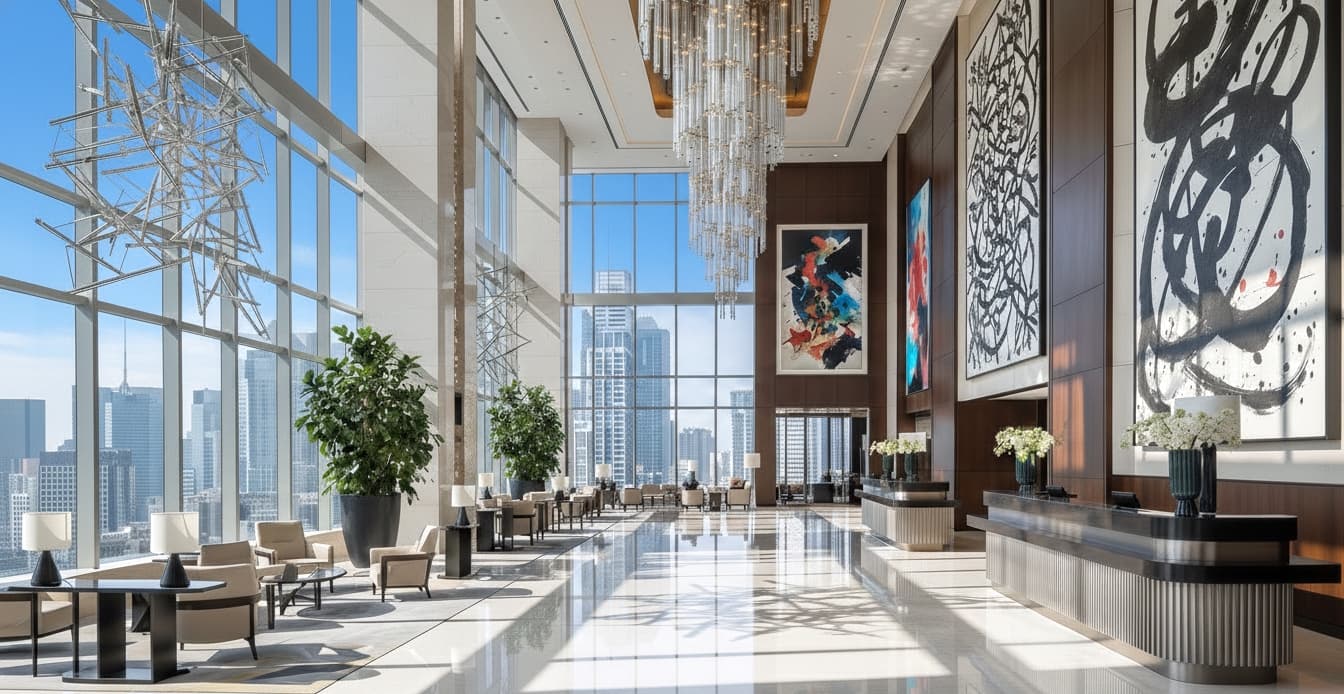
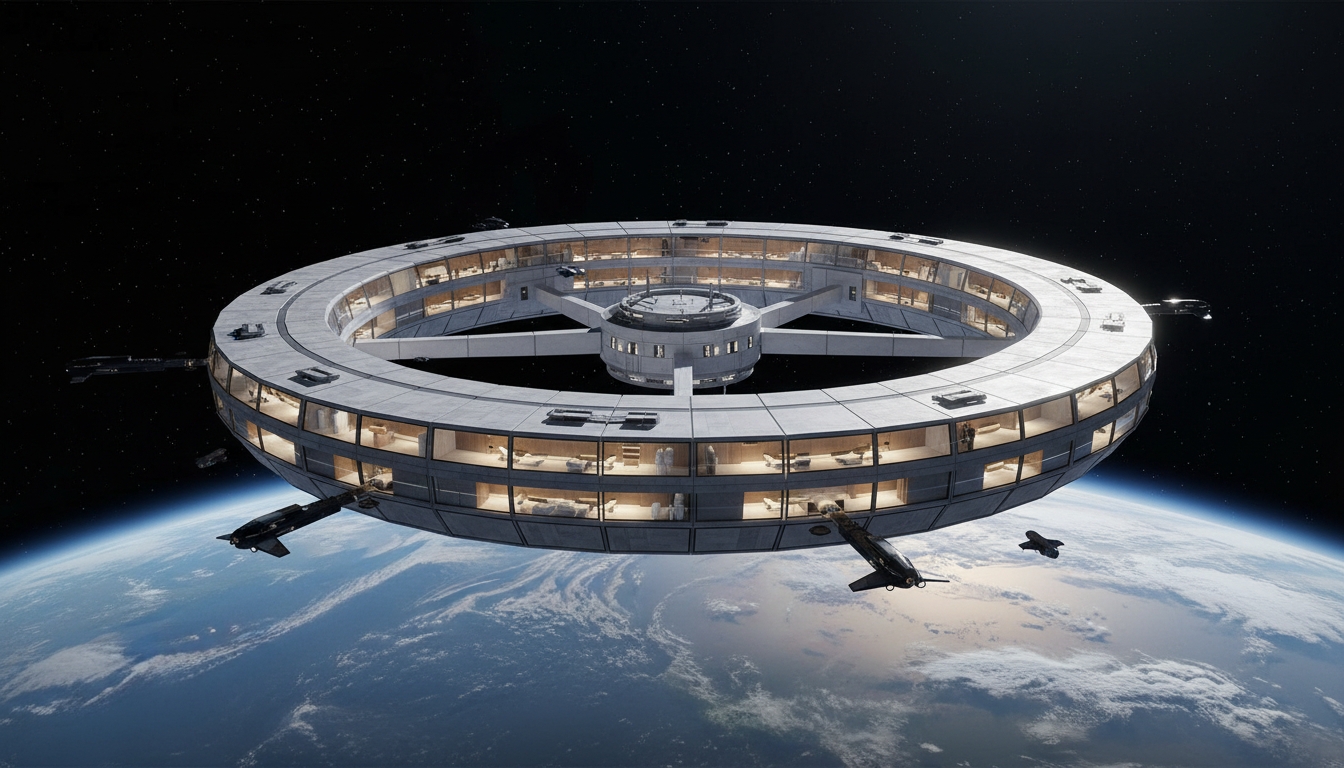
EURAN Industry Strategic Networks function as deployment vectors of COS™ across global sectors including aviation, hospitality, maritime systems, real estate, finance and space infrastructures.
Each network translates COS™ instruments into sector-specific cultural infrastructure, partnership logic and high-value industrial applications.







12. COS™ Deployment Model
From Structural Reading to Deployment
Every COS™ deployment begins with a structural reading of an environment’s identity, followed by a controlled progression from diagnosis to implementation. The objective is to reduce cultural, spatial, perceptual and organizational friction.
- Strategic Reading: a focused evaluation of relevance, constraints, cultural potential and possible COS™ instrument deployment.
- COS™ Diagnostic: a structured analysis of fragmentation, incoherence and latent value across spatial, experiential and narrative layers.
- Deployment Architecture: development of the cultural identity, operational logic and experiential structure adapted to the specific asset or environment.
- Implementation Framework: translation into execution: teams, timelines, governance, production constraints and staged deployment.
Levels of Engagement
- Orientation: strategic cultural positioning, stakes, structural gaps and strategic horizon.
- System Architecture: full COS™ / MSF™ framework for implementation.
- Deployment: translation of COS™ into operational reality across stakeholders, environments and cultural assets.
Implementation Logic
- Diagnostic Phase: identification of structural, cultural and experiential gaps.
- Design Phase: translation of identity into architecture, atmosphere and system logic.
- Implementation Phase: integration into production, operational and governance structures.
Initiate a COS™ Strategic Reading
Every COS™ deployment begins with a structured strategic reading defining relevance, scope, constraints and transformation potential.